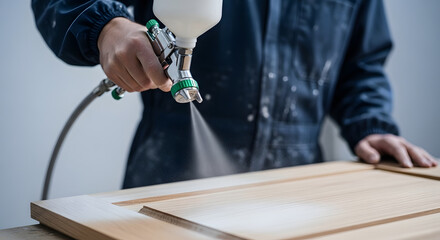
A kitchen or bathroom can feel completely transformed after cabinet refinishing. Fresh colors, smooth finishes, and updated surfaces often make cabinets look almost brand new without the cost of full replacement. Because refinishing creates such a dramatic visual improvement, many homeowners naturally wonder how long the results will actually last.
Professional cabinet refinishing is designed to provide durability and long term performance, but the lifespan of the finish depends on several important factors including preparation, materials, usage, and maintenance. Understanding how durable professional Cabinet Refinishing Modesto can be helps homeowners make informed decisions about upgrading their space.
What Professional Cabinet Refinishing Involves
Professional cabinet refinishing is much more than simply applying a fresh coat of paint. The process involves careful preparation, cleaning, sanding, priming, and finishing techniques that help create a durable surface capable of handling everyday use.
Cabinets are exposed to constant touching, moisture, grease, cooking heat, and repeated opening and closing throughout the day. Because of this, refinishing requires specialized products and techniques designed specifically for cabinetry rather than standard wall painting methods.
Professionals typically begin by removing doors, drawers, and hardware before cleaning every surface thoroughly. Sanding creates proper texture for adhesion while high quality primers and finishes provide stronger bonding and durability. Multiple coats are applied carefully and allowed to cure properly before the cabinets are reassembled.
This detailed process helps create a finish that is smoother, stronger, and longer lasting compared to many basic do it yourself refinishing attempts.
How Long Professional Cabinet Refinishing Can Last
When completed correctly, professional cabinet refinishing can last for many years. In many kitchens, professionally refinished cabinets remain attractive and functional for ten years or longer with proper maintenance. The exact lifespan depends on factors such as daily wear, environmental conditions, and the quality of materials used during the refinishing process.
Cabinets in high traffic kitchens may experience more wear because of constant use, cooking grease, and moisture exposure. However, durable professional finishes are designed to withstand these conditions significantly better than low quality paints or rushed refinishing jobs.
Bathrooms and laundry room cabinets may also face additional humidity exposure that affects durability over time. Proper ventilation and routine maintenance help extend the life of the finish in these environments.
The strength of professional cabinet refinishing comes largely from the preparation process and the use of cabinet grade coatings designed specifically for durability and resistance to daily wear.
Why Professional Preparation Improves Durability
One of the biggest reasons professional cabinet refinishing lasts longer is because of the preparation involved. Many cabinet refinishing failures occur because surfaces were not cleaned, sanded, or primed correctly before painting or staining.
Kitchen cabinets often contain years of grease, oils, dust, and residue that interfere with adhesion. Professional cleaning removes these contaminants completely so new coatings bond properly to the surface. Sanding also creates texture that helps primer and paint attach more securely.
Professionals understand how to work with different cabinet materials including wood, laminate, and engineered surfaces. They use primers specifically designed for cabinetry and apply coatings evenly to reduce peeling, bubbling, and uneven wear later.
Skipping preparation may produce cabinets that look good temporarily, but the finish often begins deteriorating much sooner. Proper preparation creates the foundation for long term durability and smoother results.
The Role of High Quality Materials
The durability of cabinet refinishing depends heavily on the materials used during the project. Professional cabinet refinishing services often use stronger coatings and cabinet grade finishes designed specifically for high use surfaces.
Cabinet paints are different from standard wall paints because they contain harder finishes that resist scratches, stains, moisture, and repeated cleaning. These coatings cure into stronger surfaces capable of handling daily wear more effectively.
High quality primers are equally important because they improve adhesion and help block stains or wood tannins from affecting the final appearance. Protective topcoats may also be added to increase resistance against scratches, grease, and moisture.
Low quality materials may initially appear attractive, but they often chip, fade, or peel much faster under everyday kitchen conditions. Professional refinishing focuses on long term durability by using products designed specifically for cabinetry.
Daily Use and Its Impact on Cabinet Durability
Even the most durable refinished cabinets experience wear over time because of regular household use. Kitchen cabinets are opened and closed constantly throughout the day, especially around sinks, refrigerators, and cooking areas.
High traffic cabinets naturally show wear sooner than less frequently used sections. Grease buildup near stovetops, moisture around sinks, and repeated contact around handles all contribute to gradual surface wear if not cleaned regularly.
Children and pets may also increase wear through accidental impacts, scratches, or rough handling. Slamming cabinet doors repeatedly can weaken finishes around edges and hinges over time.
Despite these challenges, professionally refinished cabinets generally hold up very well under normal household conditions when cared for properly. Simple maintenance habits make a significant difference in preserving durability and appearance.
How Moisture Affects Refinished Cabinets
Moisture is one of the biggest threats to cabinet durability, especially in kitchens and bathrooms. Water spills, steam, and humidity can gradually weaken finishes if moisture is allowed to remain on cabinet surfaces for long periods.
Professionally refinished cabinets are designed to resist moderate moisture exposure, but standing water and excessive humidity may still damage the finish eventually. Areas near sinks, dishwashers, and coffee stations are especially vulnerable because they experience frequent water contact.
Proper ventilation helps reduce humidity levels and protects cabinet finishes over time. Using exhaust fans while cooking or showering helps prevent excessive moisture buildup around cabinetry.
Wiping spills quickly and avoiding prolonged water exposure significantly improves the lifespan of refinished cabinets. Moisture control is one of the most important parts of maintaining durability after refinishing.
The Importance of Proper Curing Time
Another reason professional refinishing tends to last longer is because professionals understand the importance of curing time. Fresh paint or coatings may feel dry to the touch relatively quickly, but full curing often takes much longer depending on the products used.
During the curing period, the finish continues hardening and strengthening. Using cabinets too aggressively before curing is complete may leave dents, scratches, or fingerprints that permanently affect the surface.
Professionals typically allow sufficient drying and curing time between coats and before reinstalling doors or hardware. This careful approach improves adhesion and helps create a stronger finish overall.
Homeowners who rush the process often experience chipping or sticking doors because the coating was not given enough time to cure properly.
How Maintenance Affects Long Term Performance
Proper maintenance is one of the biggest factors affecting the long term durability of refinished cabinets. Gentle cleaning with soft cloths and mild soap helps remove grease and fingerprints without damaging the finish.
Harsh chemicals, abrasive scrubbers, and rough cleaning pads should be avoided because they can scratch or dull the surface. Cabinets should also be dried after cleaning to prevent moisture from lingering along seams and edges.
Routine inspections help identify small chips or wear areas before they become larger problems. Touching up minor imperfections early helps preserve the appearance and strength of the finish over time.
Well maintained refinished cabinets often remain attractive for many years longer than cabinets exposed to neglect, excessive moisture, or harsh cleaning methods.
Comparing Refinishing to Cabinet Replacement
Many homeowners compare refinishing durability to full cabinet replacement when deciding which renovation option to choose. While brand new cabinets may last longer overall, professional refinishing can still provide excellent long term performance at a much lower cost.
If the cabinet structure itself remains strong and functional, refinishing often provides many additional years of use while dramatically improving appearance. In many cases, professionally refinished cabinets look nearly identical to newly installed cabinetry.
Refinishing also avoids the demolition, waste, and major construction associated with full replacement projects. This makes it an appealing solution for homeowners seeking modern kitchen upgrades without extensive renovation expenses.
Although refinishing may eventually require touch ups or future updates after years of use, it remains one of the most cost effective ways to modernize cabinetry while maintaining durability.
Signs That Refinished Cabinets Need Attention
Even durable refinished cabinets may eventually show signs of wear after many years of use. Common indicators include fading color, small chips around edges, peeling near moisture exposed areas, or visible scratches in high traffic sections.
Hardware loosening and hinge wear may also affect cabinet performance over time. Addressing these issues early often prevents more extensive damage later.
In many cases, small touch ups or maintenance repairs can restore appearance without requiring complete refinishing again. Professional evaluation helps determine whether cabinets need minor repairs or a more extensive refinishing update.
Routine care and prompt attention to small issues significantly extend the lifespan of refinished cabinetry.
Conclusion
Professional cabinet refinishing is highly durable when completed with proper preparation, quality materials, and skilled application techniques. In many homes, refinished cabinets remain attractive and functional for ten years or more while providing a dramatic visual upgrade at a fraction of the cost of replacement.
The durability of refinished cabinets depends on several factors including surface preparation, curing time, daily use, moisture exposure, and ongoing maintenance. Professional refinishing creates stronger and more resilient finishes capable of handling the demands of busy kitchens and bathrooms.
With proper care and routine maintenance, professionally refinished cabinets can continue enhancing the appearance and functionality of a space for many years. Investing in quality refinishing not only modernizes the home but also extends the life of existing cabinetry while preserving long term value.