A home should be a place where families feel safe, comfortable, and protected, but unwanted pests can quickly disrupt that sense of security. Insects, rodents, and other household pests may damage property, contaminate food, spread bacteria, and create unhealthy living conditions if left untreated. Even a small infestation can grow rapidly when pests find easy access to food, water, and shelter. Fortunately, residential pest control helps homeowners prevent infestations, eliminate existing pest problems, and protect their homes throughout the year. Understanding the importance of residential Pest Control Stuart allows homeowners to take proactive steps that safeguard both their property and their family’s well-being.
What Is Residential Pest Control?
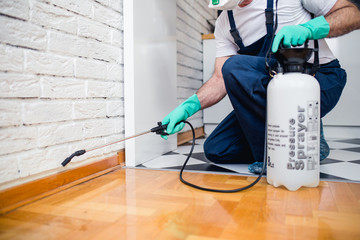
Residential pest control refers to the inspection, prevention, treatment, and ongoing management of pests that invade homes and surrounding outdoor areas. These services are designed to identify pest activity, locate entry points, eliminate infestations, and reduce the conditions that attract pests in the first place. Every home faces unique challenges depending on its location, age, landscaping, and construction, making customized pest management especially important. Effective residential pest control focuses on both immediate treatment and long-term prevention. A comprehensive approach helps maintain a healthier living environment.
Unlike temporary solutions that only address visible pests, residential pest control aims to identify the source of infestations. Professional inspections often uncover hidden nesting areas, moisture problems, structural gaps, and food sources that allow pests to thrive. Correcting these underlying issues helps reduce the likelihood of recurring infestations while improving the home’s overall protection. Long-term pest management involves much more than simply removing pests that are already present. Preventive strategies create lasting results.
Why Is Residential Pest Control So Important?
One of the primary reasons residential pest control is important is its ability to protect the home’s structure from costly damage. Certain pests can weaken wood, damage insulation, contaminate stored items, chew electrical wiring, and destroy landscaping if infestations remain untreated. Over time, even minor pest activity can result in expensive repairs that could have been prevented through early intervention. Regular pest management helps identify problems before they become severe. Preventive action protects the home’s long-term condition.
Residential pest control also supports a healthier indoor environment for everyone living in the home. Some pests carry bacteria or other harmful microorganisms, while others trigger allergies or contaminate food preparation areas. Rodents, cockroaches, mosquitoes, fleas, and ticks are just a few examples of pests that may create health concerns under certain circumstances. Reducing pest populations helps improve overall cleanliness while creating a more comfortable place to live. A pest-free home contributes to greater peace of mind.
What Types of Pests Commonly Affect Homes?
Homes may experience a wide variety of pest problems depending on the season and surrounding environment. Ants often invade kitchens and pantries in search of food, while cockroaches thrive in warm, humid areas where moisture is readily available. Rodents may enter through small openings in search of shelter during cooler weather, causing damage as they build nests and search for food. Termites can quietly attack wooden structural components without obvious signs until significant damage has occurred. Every pest presents unique challenges that require appropriate management.
Outdoor pests can also become indoor problems when favorable conditions exist around the property. Mosquitoes breed in standing water, while spiders often enter homes seeking insects as a food source. Wasps, fleas, ticks, and other seasonal pests may also create concerns depending on the property’s landscaping and surrounding environment. Understanding which pests are most active throughout the year allows homeowners to respond more effectively before infestations become widespread. Regular inspections improve early detection.
What Residential Pest Control Methods Are Available?
Residential pest control includes a variety of treatment methods designed to address different pest species and infestation levels. Targeted treatments may be used to eliminate active infestations while minimizing unnecessary exposure in unaffected areas. Professional treatment plans are developed after carefully evaluating the type of pest involved, the extent of the infestation, and the conditions contributing to the problem. Customized treatment strategies improve effectiveness while supporting long-term results. Every property benefits from an individualized approach.
Preventive methods also play a critical role in residential pest management. Sealing entry points, improving sanitation, reducing moisture, removing food sources, and maintaining landscaping all help discourage pests from becoming established. Many homeowners also benefit from ongoing inspections and monitoring that identify early signs of pest activity before larger infestations develop. Combining prevention with targeted treatment often produces the most dependable long-term protection. Consistent maintenance supports year-round pest control.
How Can Homeowners Help Prevent Pest Problems?
Homeowners play an important role in reducing conditions that attract unwanted pests. Keeping kitchens clean, storing food in sealed containers, repairing plumbing leaks, and removing standing water all help eliminate resources that many pests depend upon for survival. Regularly cleaning storage areas and reducing clutter also limits potential hiding places for insects and rodents. Small maintenance habits can make a significant difference in preventing infestations. Everyday attention strengthens overall home protection.
Maintaining the exterior of the home is equally important for long-term pest prevention. Sealing cracks around windows, doors, and foundations helps prevent pests from entering the structure. Trimming shrubs and tree branches away from exterior walls reduces easy access for insects and rodents, while proper drainage minimizes moisture that attracts many pests. Routine property maintenance supports both structural preservation and effective pest management. Prevention begins with maintaining a well-protected home.
What Should Homeowners Consider When Choosing Residential Pest Control?
Choosing the right residential pest control solution begins with accurately identifying the pest problem. Different pests require different treatment strategies, and using the wrong approach may allow infestations to continue growing. Homeowners should evaluate the severity of the infestation, affected areas, and any recurring pest activity before deciding on a management plan. Understanding the scope of the problem leads to more effective treatment decisions. Proper evaluation supports successful long-term control.
Long-term prevention should remain a priority even after an infestation has been eliminated. Regular inspections, routine maintenance, sanitation improvements, and ongoing monitoring help reduce the likelihood of future pest activity. Rather than responding only after pests become visible, homeowners benefit from proactive pest management that addresses both current and potential concerns. Preventive care provides lasting value while protecting the home throughout every season. Consistent attention helps maintain a pest-free environment.
How Can Residential Pest Control Increase Property Value?
A well-maintained, pest-free home is often more attractive to both current occupants and potential buyers. Regular residential pest control demonstrates responsible home maintenance while reducing the likelihood of hidden structural damage or ongoing infestations. Buyers frequently appreciate properties that show evidence of consistent care because they provide greater confidence in the home’s overall condition. Preventive maintenance supports stronger long-term market appeal. Well-protected homes often maintain their value more effectively.
In addition to preserving structural integrity, residential pest control contributes to cleaner living spaces and greater comfort throughout the home. Eliminating pest activity helps maintain attractive interiors while protecting furniture, insulation, stored belongings, and food supplies from unnecessary damage. Long-term pest management protects both the homeowner’s investment and everyday quality of life. A proactive approach benefits the home long after each treatment is completed. Ongoing protection supports lasting value and peace of mind.
Final Thoughts
Residential pest control is an essential part of responsible home maintenance because it protects both the property’s structure and the health of the people who live there. Through regular inspections, preventive maintenance, targeted treatments, and ongoing monitoring, homeowners can reduce the risk of infestations while creating a cleaner, safer, and more comfortable living environment. Whether addressing ants, rodents, termites, mosquitoes, cockroaches, or other common household pests, early intervention and proactive management provide the best long-term results. Investing in residential pest control helps preserve the home’s value while ensuring lasting comfort and protection for years to come.