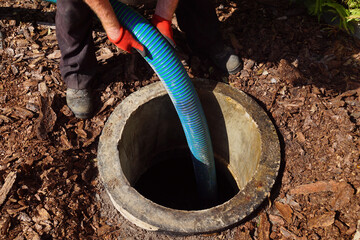
Sludge buildup is a normal part of how a septic tank operates, but excessive accumulation can eventually create problems for the entire septic system. Every time wastewater enters the tank, solid materials begin separating from liquids. Some organic waste is broken down by bacteria, while heavier materials settle at the bottom and gradually form a layer known as sludge. Because this material does not completely disappear on its own, routine septic pumping is necessary to remove it.
Understanding what causes sludge buildup in septic tanks can help homeowners adopt better habits, determine when maintenance may be needed, and reduce the risk of solids reaching the drain field. Visit Website for more information.
What Is Septic Tank Sludge?
Septic tank sludge is the layer of solid and semi-solid material that collects at the bottom of a septic tank. Wastewater entering the tank naturally separates into different layers. Heavier solids settle to the bottom, lighter materials such as fats and oils tend to form a scum layer near the surface, and liquid remains between them.
Bacteria inside the tank break down some biodegradable material, but this process does not eliminate everything. Materials that remain continue accumulating as sludge. Over time, the sludge layer becomes thicker and reduces the effective space available for wastewater separation.
What Causes Sludge to Build Up in a Septic Tank?
Normal household wastewater is the primary source of septic sludge. Human waste, toilet paper, food particles, soap residue, and other solids enter the system through household drains. Some of these materials decompose, while others remain and eventually settle.
Sludge accumulation is therefore unavoidable in a functioning septic tank. The goal of maintenance is not to prevent all sludge from forming but to keep it from reaching excessive levels. Routine inspection and pumping allow accumulated material to be removed before it threatens other components.
Does Household Size Affect Sludge Buildup?
Yes. Larger households generally send more wastewater and solid waste into a septic system than smaller households. If the tank capacity remains the same, a household with more occupants may accumulate sludge faster and require more frequent pumping.
Changes in occupancy can therefore affect an established maintenance schedule. A tank that previously required pumping at a particular interval may need more frequent attention after additional people move into the home. Maintenance should reflect actual system usage rather than relying only on a fixed timetable.
Can Flushing the Wrong Materials Increase Sludge?
Flushing inappropriate materials is one of the easiest ways to increase unnecessary solids inside a septic tank. Items such as wipes, paper towels, diapers, hygiene products, cotton products, and similar materials may not break down like appropriate toilet paper and organic waste.
Even products marketed as flushable can create problems because their breakdown characteristics may differ from ordinary toilet paper. A simple household rule is to keep unnecessary solid materials out of toilets and drains. Reducing these materials can help limit avoidable accumulation and potential blockages.
Does a Garbage Disposal Increase Septic Sludge?
Frequent garbage disposal use can increase the amount of solid organic material entering a septic tank. Although a disposal grinds food into smaller particles, those particles do not disappear. They travel through the plumbing and become part of the wastewater entering the septic system.
Some organic matter will break down, but additional food waste can still contribute to sludge accumulation. Homes that rely heavily on garbage disposals may therefore need to pay closer attention to their pumping schedule. Scraping food into the trash or another appropriate waste stream before washing dishes can reduce the amount entering the septic tank.
Do Grease and Cooking Oils Contribute to Septic Buildup?
Cooking oils and grease should generally be kept out of household drains. Rather than mixing easily with wastewater, fats and oils can contribute to the floating scum layer and may create problems elsewhere in the plumbing or septic system.
Grease should be allowed to cool and disposed of using an appropriate household waste method instead of being poured into the sink. Wiping greasy cookware before washing it can also reduce the amount entering the system. These simple habits help limit unnecessary waste accumulation.
Can Excessive Water Use Cause Sludge Problems?
High water use does not necessarily create sludge directly, but it can affect how effectively a septic tank separates solids from wastewater. The tank needs sufficient retention time for heavier particles to settle and for wastewater to separate into layers.
Large volumes of water entering within a short period can increase hydraulic flow through the system. This may reduce settling time and, under unfavorable conditions, increase the risk of suspended solids moving toward the outlet. Spreading high-water-use activities throughout the day or week can help avoid unnecessary hydraulic stress.
Do Leaking Toilets and Faucets Affect Septic Tanks?
A continuously running toilet or other plumbing leak can send substantial amounts of unnecessary water into a septic system. While this additional water is not sludge, it increases the hydraulic load placed on the tank and drain field.
Homeowners should repair leaks promptly rather than viewing them only as a water-bill problem. Reducing unnecessary water flow gives the septic system more consistent operating conditions. Responsible water management is an important part of septic maintenance.
Can Household Chemicals Affect Sludge Breakdown?
A septic tank relies partly on naturally occurring microorganisms to process biodegradable waste. Household cleaning and maintenance products should therefore be used according to their intended directions rather than dumped into the septic system in excessive quantities.
Paints, solvents, pesticides, automotive fluids, and other inappropriate chemicals should never be disposed of through household drains simply because the home has a septic tank. These materials may interfere with wastewater treatment and can create environmental concerns. They should be handled according to applicable local disposal requirements.
Does Skipping Septic Pumping Cause Excessive Sludge?
Yes. Because some sludge remains after biological decomposition, it must eventually be physically removed. If the tank is not pumped for an extended period, the sludge layer continues growing.
As sludge occupies more of the tank, the effective volume available for wastewater treatment decreases. Excessive accumulation can also increase the risk of solids reaching the outlet and downstream components. Routine pumping is designed to prevent the sludge layer from reaching this point.
How Often Should Sludge Be Removed?
There is no universal pumping interval for every septic system. Tank capacity, household occupancy, water consumption, garbage disposal use, and the amount of solids entering the tank all influence how quickly sludge accumulates.
Many residential systems are pumped every few years, but actual conditions should guide the schedule. During professional service, sludge and scum levels can help indicate whether the existing interval is appropriate. Keeping maintenance records makes it easier to adjust future pumping frequency.
What Happens If Too Much Sludge Accumulates?
Excessive sludge reduces the septic tank’s effective working capacity. If solids begin escaping through the outlet, they can reach components that are intended primarily to receive clarified wastewater rather than large quantities of suspended material.
Problems downstream can be much more difficult to address than routine tank pumping. Homeowners may eventually notice slow drainage, sewage odors, backups, or unusual conditions around the drain field. However, these symptoms can have several causes and should be professionally diagnosed rather than automatically attributed to sludge.
Can Septic Additives Eliminate the Need for Pumping?
Homeowners should be cautious of claims that an additive can eliminate the need for routine septic pumping. A properly functioning septic tank already contains microorganisms involved in breaking down organic material, but not all solids are biodegradable.
Even when biological activity is functioning normally, residual sludge continues accumulating. Pumping physically removes material that remains inside the tank. No maintenance product should be treated as a substitute for appropriate inspection and pumping based on the system’s actual condition.
How Can You Reduce Septic Tank Sludge Buildup?
Homeowners cannot completely prevent sludge formation, but they can avoid adding unnecessary material to the system. Good habits include flushing only appropriate toilet waste and toilet paper, keeping grease out of drains, limiting food waste sent through garbage disposals, and properly disposing of non-biodegradable materials.
Water conservation and plumbing maintenance also support normal septic operation. Repair leaks, distribute high-water-use activities when practical, and avoid overwhelming the system with unnecessary wastewater. These measures do not eliminate pumping requirements, but they can help protect the overall system.
When Should You Schedule Septic Tank Pumping?
Ideally, pumping should be scheduled according to maintenance records and observed sludge accumulation rather than waiting for an emergency. If you do not know when the tank was last pumped, a professional septic evaluation can help establish its current condition.
Multiple slow drains, sewage odors, backups, or unusually wet areas around septic components are reasons to request professional attention promptly. These symptoms may indicate a full tank, but they can also result from pipe blockages, damaged components, or drain field problems. A proper inspection helps determine the correct solution.
Final Thoughts
Sludge buildup in septic tanks occurs naturally as solid materials settle from household wastewater and accumulate faster than they can completely decompose. Household size, garbage disposal use, inappropriate flushed materials, maintenance habits, and system usage can all influence how quickly buildup becomes significant. While homeowners cannot stop sludge from forming entirely, they can avoid unnecessary solids, manage water use responsibly, and maintain an appropriate pumping schedule. Regular septic service removes accumulated sludge before it reduces tank capacity or threatens downstream components. By understanding what causes septic tank sludge buildup, homeowners can make better maintenance decisions and help protect the long-term performance of their septic systems.