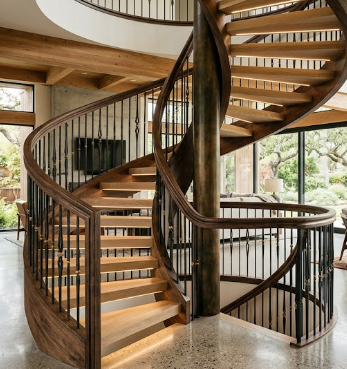
Custom Stairs and Railings can transform an ordinary space into a striking architectural feature while improving safety and functionality. Whether installed inside a home, on an outdoor deck, or in a commercial building, a custom staircase is a long-term investment that combines craftsmanship with everyday practicality. One of the first questions property owners ask is how much custom stairs and railings cost and what influences the final price.
While every project is unique, understanding the factors that affect pricing makes it easier to establish a realistic budget and choose the right design. Learning what contributes to the overall cost also helps property owners focus on long-term value rather than simply the initial investment.
What Factors Affect Custom Stairs and Railings Cost?
Several factors influence the overall cost of custom stairs and railings because every project is designed specifically for the property where it will be installed. One of the biggest considerations is the size and complexity of the staircase. A simple straight staircase generally requires fewer materials and less fabrication time than curved, spiral, or multi-level stair systems. The dimensions of the project, including its width, height, and overall length, also affect material usage and labor requirements. Every custom staircase is priced according to its unique design and construction needs.
The location of the installation also plays an important role in determining cost. Interior staircases may involve different design considerations than exterior installations, while commercial projects often have additional structural or safety requirements. Existing building conditions, accessibility, and site preparation can also influence the amount of labor required before installation begins. These project-specific variables contribute to the final investment. Careful planning helps create a more accurate budget.
How Do Material Choices Influence the Price?
Material selection is one of the most significant factors affecting the cost of custom stairs and railings. Steel is often chosen for its exceptional strength and clean modern appearance, while wrought iron offers timeless decorative appeal through intricate handcrafted details. Aluminum provides corrosion resistance and relatively low maintenance, making it popular for outdoor applications. Wood, glass, stainless steel, and mixed-material combinations each have their own pricing considerations depending on availability, fabrication requirements, and finish options. Selecting the right material involves balancing aesthetics, durability, and long-term value.
The type of finish applied to the materials can also affect the overall cost. Powder coating, painting, staining, polishing, or protective coatings require additional preparation and labor while helping preserve the staircase’s appearance for many years. Decorative accents, textured finishes, and custom color selections may further increase fabrication time. Investing in quality finishes often reduces maintenance needs while improving the staircase’s lifespan. Durable materials and finishes contribute to greater long-term satisfaction.
Does Staircase Design Affect the Overall Cost?
The complexity of the staircase design has a direct impact on fabrication and installation costs. Straight staircases are generally the most straightforward to manufacture because they involve fewer custom angles and simpler structural layouts. Curved staircases, floating stair systems, and spiral designs require greater precision during engineering and fabrication, increasing both labor and production time. More intricate projects demand advanced craftsmanship to ensure every component fits together accurately. Custom designs often reflect the highest level of fabrication expertise.
Railing design also contributes significantly to the overall project cost. Simple vertical balusters or minimalist railings generally require less fabrication than decorative wrought iron scrollwork, laser-cut panels, or glass railing systems. Custom handrails, ornamental details, and artistic metalwork add both visual interest and additional production time. Property owners should consider how decorative features align with both their design goals and available budget. Personalized details often become the defining feature of the finished staircase.
What Installation Factors Can Affect Pricing?
Professional installation is an essential part of every custom staircase project because precision assembly is necessary for both safety and long-term performance. Existing floor conditions, structural support, ceiling height, and surrounding architectural features all influence the installation process. Some projects may require modifications to accommodate the new staircase, adding additional labor before installation can begin. Proper preparation ensures the staircase functions safely and fits seamlessly within the space. Experienced installation supports lasting performance.
Outdoor stair installations may involve additional considerations depending on site conditions. Sloped terrain, concrete foundations, drainage, and weather exposure can all influence installation complexity. Interior projects may also require careful coordination with flooring, walls, trim, and lighting to achieve a finished appearance that integrates naturally with the surrounding design. Every installation presents unique challenges that affect the total project cost. Quality workmanship helps protect the investment.
Are Custom Stairs and Railings Worth the Investment?
Although custom stairs and railings often require a larger initial investment than prefabricated alternatives, they frequently provide greater long-term value. Custom fabrication allows property owners to create stair systems that fit perfectly within the available space while complementing the property’s architectural style. This level of personalization results in improved functionality and a more polished appearance than standard designs typically offer. Investing in quality craftsmanship also contributes to better structural performance and longer service life. Durable construction supports years of dependable use.
Custom staircases often become one of the most noticeable architectural features within a property. Attractive designs create memorable first impressions while enhancing the overall atmosphere of interior and exterior spaces. High-quality materials, precision fabrication, and professional installation reduce the need for frequent repairs or premature replacement. Long-term durability helps offset higher upfront costs over time. Many property owners view custom stair systems as permanent improvements that continue adding value for years.
How Can Property Owners Budget for Custom Stairs and Railings?
Creating a realistic budget begins with identifying the project’s primary goals. Some property owners prioritize decorative architectural features, while others focus on durability, accessibility, or maximizing available space. Establishing these priorities early helps guide decisions regarding materials, layouts, railing styles, and finishes. A clearly defined project scope reduces the likelihood of unexpected expenses during fabrication and installation. Thorough planning contributes to a smoother construction process.
Comparing detailed estimates also helps property owners better understand how different materials, fabrication methods, and installation requirements influence pricing. Evaluating proposals based on overall value rather than simply selecting the lowest price often leads to better long-term results. Quality craftsmanship, durable materials, professional installation, and dependable service all contribute to the staircase’s long-term performance. Investing in quality today may reduce maintenance costs in the future. Well-informed decisions support greater satisfaction with the completed project.
How Can Custom Stairs and Railings Increase Property Value?
Professionally fabricated custom stairs and railings often enhance a property’s market appeal because they combine functionality with distinctive architectural design. A beautifully crafted staircase creates a strong visual impact while demonstrating quality workmanship and thoughtful planning. Buyers frequently appreciate permanent improvements that add both character and everyday usability. Attractive stair systems contribute to a property’s overall presentation and perceived quality. Strong first impressions can positively influence resale potential.
Beyond appearance, custom stair systems also provide practical value through improved durability, reliable safety features, and personalized functionality. High-quality materials and precision fabrication reduce future maintenance concerns while supporting long-term structural performance. Property owners benefit from an investment that enhances everyday living while strengthening the property’s overall appeal. Lasting craftsmanship continues delivering value long after installation is complete. Custom stairs and railings remain one of the most rewarding architectural upgrades for many properties.
Final Thoughts
The cost of custom stairs and railings depends on numerous factors, including materials, design complexity, fabrication methods, installation requirements, and finishing details. Every project is unique because it is tailored to meet the property’s specific architectural style and functional needs. By understanding the elements that influence pricing, property owners can make informed decisions that balance budget, durability, and visual appeal. Investing in professionally crafted custom stairs and railings provides long-term benefits through improved safety, timeless design, and lasting value that enhances both residential and commercial properties.