Indoor air quality plays a crucial role in maintaining a comfortable and healthy living or working environment. Many people focus on visible cleanliness, such as floors, furniture, and countertops, but an often-overlooked component of indoor air health lies within the air duct system. Air ducts circulate air throughout a building, distributing heated or cooled air from the HVAC system to different rooms. Over time, these ducts can accumulate dust, debris, allergens, and other contaminants, affecting both air quality and system performance. Duct Cleaning Salt Lake City helps address these issues by removing buildup in the ductwork, allowing the HVAC system to operate more efficiently and improving indoor air quality.
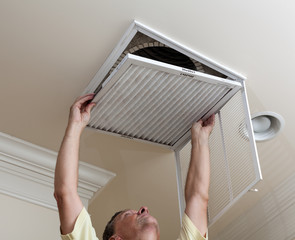
Air ducts function as the respiratory system of a building. Every time the heating or cooling system operates, air moves through the duct network and is delivered into living or working spaces. If dust and contaminants accumulate within the ducts, those particles may be recirculated repeatedly throughout the interior environment. While air filters capture a portion of these particles, they cannot remove all contaminants, especially those that have already settled inside the duct system. Over time, the buildup can become significant enough to influence airflow and air cleanliness.
One of the most important benefits of air duct cleaning is its impact on indoor air quality. Dust, pollen, pet dander, and microscopic debris can accumulate inside ducts over months or years of system operation. Each time the HVAC system turns on, these particles can be pushed into the air that occupants breathe. In environments where people spend long hours indoors, maintaining clean air circulation becomes essential for comfort and overall well-being.
Several common contaminants are frequently found inside duct systems. Some of the most notable include:
- Household Dust and Dirt – Everyday activities introduce fine particles that eventually settle inside ductwork and vents.
- Allergens and Pollen – Outdoor particles can enter through ventilation systems or open doors and windows, eventually accumulating inside ducts.
- Pet Hair and Dander – Homes with pets often experience faster buildup of organic debris within air circulation systems.
When these contaminants remain inside the duct system, they can continue circulating throughout the property every time the HVAC system operates. Professional air duct cleaning removes this accumulated debris, reducing the amount of airborne particles circulating indoors. As a result, occupants may experience fresher air and fewer irritants within the indoor environment.
Another important advantage of air duct cleaning is the improvement of HVAC system efficiency. When ducts become clogged with dust or debris, airflow can be restricted. This means the heating and cooling system must work harder to push air through the duct network and maintain the desired indoor temperature. Increased strain on the system can lead to higher energy consumption and reduced performance over time.
A clean duct system allows air to move freely and efficiently throughout the building. When airflow improves, the HVAC system does not need to operate as long or as frequently to maintain comfortable temperatures. This improved efficiency can help reduce overall energy usage while maintaining consistent climate control.
Air duct cleaning contributes to HVAC performance in several key ways:
- Restoring Proper Airflow – Removing debris from ducts reduces resistance within the system, allowing air to circulate more effectively.
- Reducing Mechanical Strain – When airflow improves, the system experiences less pressure and operates more smoothly.
- Supporting Consistent Temperature Distribution – Clean ducts help ensure that heated or cooled air reaches all areas of the building evenly.
In addition to efficiency improvements, clean ducts can also help extend the lifespan of HVAC equipment. Heating and cooling systems contain multiple mechanical components that rely on balanced airflow to function properly. When ducts are obstructed by dust and debris, the system may cycle more frequently or run for longer periods. Over time, this extra workload can contribute to increased wear on components such as fans, motors, and compressors.
Routine air duct cleaning helps support the long-term performance of HVAC systems by reducing unnecessary strain. By allowing the system to operate under normal airflow conditions, property owners can help protect their equipment and potentially delay costly repairs or replacements.
Odor control is another benefit often associated with air duct cleaning. Over time, odors from cooking, pets, cleaning products, and other household activities can become trapped inside the duct system. When the HVAC system circulates air, these odors may be redistributed throughout the building, creating a persistent smell that is difficult to eliminate.
Air duct cleaning helps remove the particles and residues responsible for these lingering odors. By eliminating the buildup inside the ductwork, the system circulates fresher air throughout the property. In many cases, removing the source of the odor provides a noticeable improvement in the overall freshness of the indoor environment.
Another factor that contributes to poor indoor air quality is moisture accumulation within duct systems. Moisture can enter ductwork through condensation, humidity, or small leaks in the HVAC system. When moisture combines with dust and organic debris, it can create conditions that encourage mold growth. Mold spores can then circulate through the ventilation system and spread throughout indoor spaces.
Professional air duct cleaning addresses these potential issues by removing organic material that mold may feed on and identifying areas where moisture may be present. By addressing both debris and moisture concerns, the cleaning process helps reduce the risk of microbial growth within the HVAC system.
For individuals who are particularly sensitive to allergens or respiratory irritants, improving indoor air quality can make a noticeable difference in daily comfort. Dust and airborne particles often contribute to symptoms such as sneezing, coughing, or eye irritation. While air duct cleaning alone cannot eliminate all indoor allergens, it can significantly reduce the amount of particulate matter circulating through the air.
Another reason air duct cleaning is beneficial involves maintaining a cleaner indoor environment overall. When ducts contain large amounts of dust and debris, particles may settle on furniture, floors, and other surfaces more frequently. This means occupants may find themselves cleaning surfaces more often to maintain a tidy space.
By removing the buildup inside the duct system, the amount of dust circulating through the air may decrease, which can contribute to cleaner surfaces and reduced household cleaning demands. While regular housekeeping remains important, cleaner air circulation can help reduce the rate at which dust accumulates indoors.
Understanding the air duct cleaning process can help property owners appreciate the level of care involved in the service. Professional technicians typically follow a systematic approach designed to remove debris thoroughly without damaging the duct system. The process begins with a detailed inspection of the HVAC system and ductwork to determine the level of buildup and identify areas that require attention.
Once the inspection is complete, technicians begin the cleaning process using specialized tools and equipment. These tools are designed to loosen and remove debris from the interior surfaces of the ducts while preventing contaminants from spreading into the indoor environment. The cleaning process typically includes several important steps:
- Loosening Debris Inside the Ducts – Mechanical brushes or air tools dislodge dust and dirt from the duct walls.
- Vacuum Extraction – High-powered vacuum systems capture and remove the loosened particles from the duct network.
- Cleaning of Vents and Registers – Air vents and grilles are cleaned to remove visible dust and debris.
In some cases, additional treatments may be applied to help eliminate odors or sanitize the duct system. These treatments are designed to address specific concerns such as microbial contamination or persistent odors that may remain after debris removal.
Another important consideration is how often air duct cleaning should be performed. The frequency can vary depending on several factors, including the size of the property, the presence of pets, indoor air quality conditions, and how frequently the HVAC system operates. Buildings with higher levels of dust or heavy system usage may benefit from more frequent cleaning compared to those with lower levels of airborne debris.
Property owners can also watch for certain signs that indicate air duct cleaning may be necessary. These indicators may suggest that dust and debris have accumulated within the duct system and are affecting airflow or air quality.
Some common warning signs include:
- Excessive Dust Around Vents – Visible dust buildup near vents may indicate that debris is circulating through the ducts.
- Uneven Airflow Between Rooms – Restricted airflow can result from obstructions inside the duct system.
- Persistent Indoor Odors – Lingering smells that reappear when the HVAC system runs may originate from inside the ductwork.
Recognizing these signs early allows property owners to address potential problems before they affect HVAC efficiency or indoor comfort. Regular inspections and maintenance of HVAC systems help ensure that ductwork remains clean and functional.
In conclusion, air duct cleaning plays a significant role in maintaining both indoor air quality and HVAC system efficiency. By removing accumulated dust, allergens, and debris from the duct network, this service helps create a cleaner indoor environment while supporting the proper operation of heating and cooling systems. Improved airflow, reduced mechanical strain, and fresher circulating air are just a few of the benefits that come from maintaining clean ductwork.
For property owners seeking to improve indoor comfort and protect their HVAC investment, air duct cleaning offers a practical and effective solution. With regular maintenance and professional cleaning when needed, the air circulation system can continue operating efficiently while providing cleaner air for everyone inside the building.